
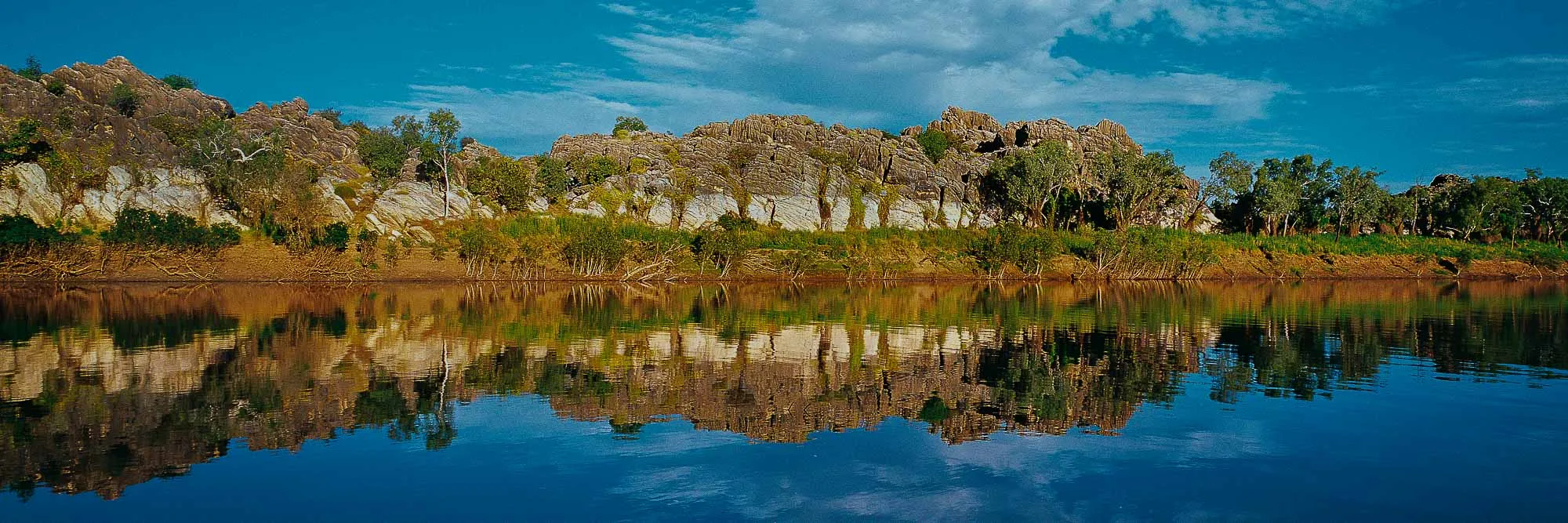
When travellers dream about Kimberley cruises, they often picture towering waterfalls, Montgomery Reef rising from the sea, dramatic sandstone cliffs and the famous Horizontal Falls.
Yet hidden between the rivers and coastline lies an ecosystem that quietly powers much of the Kimberley’s extraordinary wildlife.
The mangroves.
For guests travelling aboard Discovery One, some of the most memorable moments of a Kimberley cruise happen not at the famous landmarks, but deep within these winding tidal forests where nature reveals itself slowly and unexpectedly.
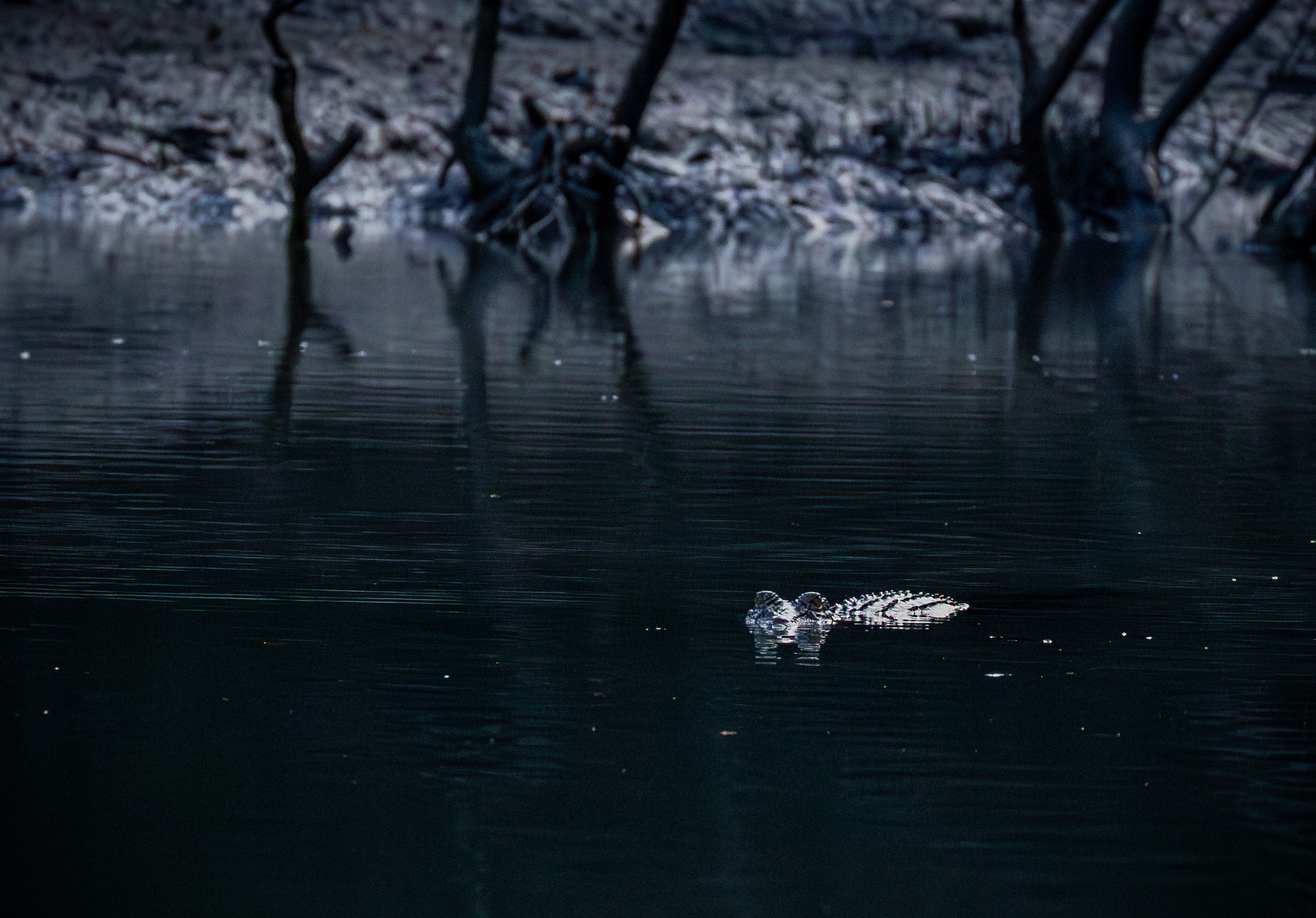
A saltwater crocodile resting on a mudbank.
A Brahminy Kite circling overhead.
A kingfisher diving into a narrow creek.
The mirror-like reflection of ancient mangrove roots disappearing into still water.
These are the places where the Kimberley feels truly alive.
What Exactly Is a Mangrove?
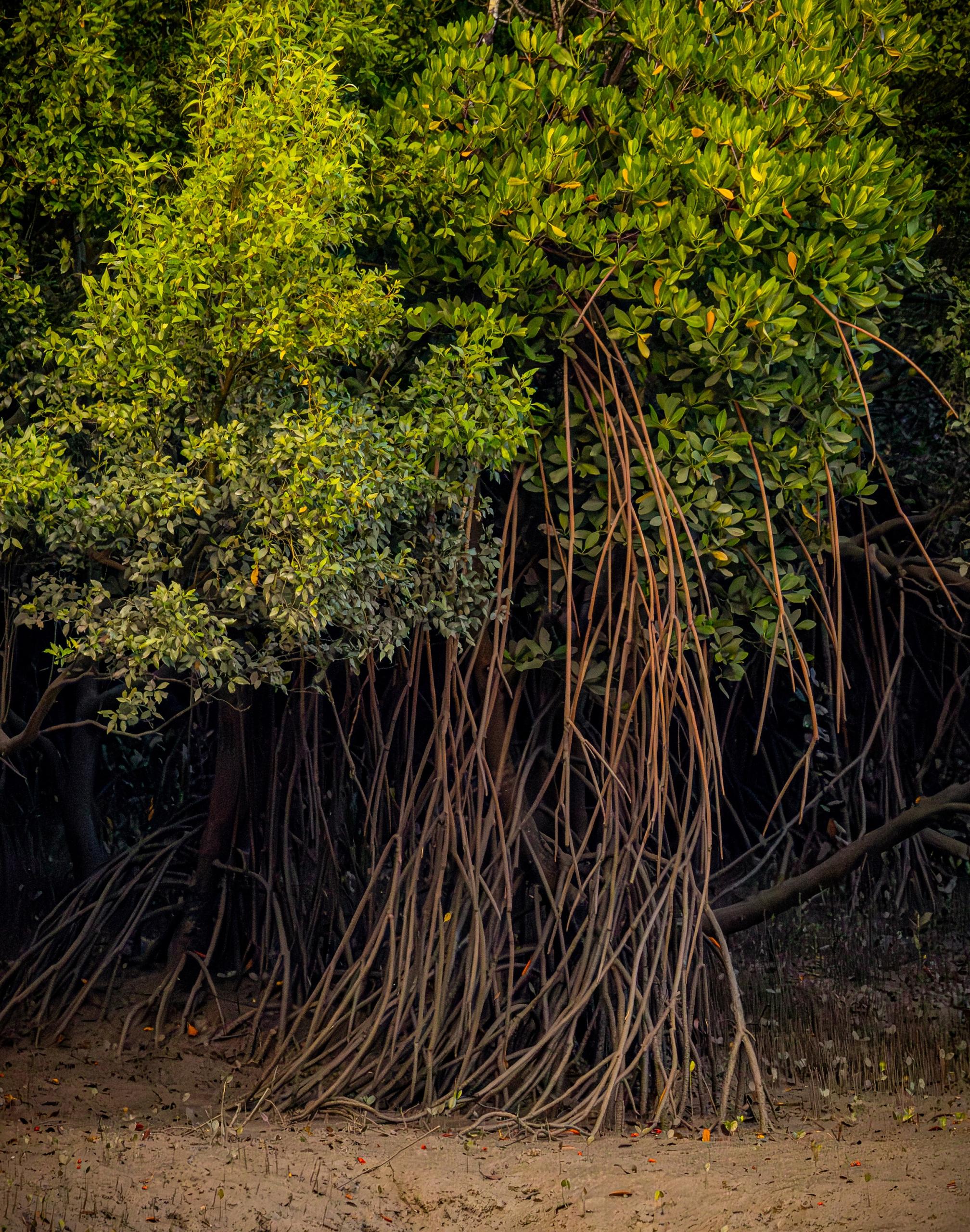
Mangroves are among the most remarkable plants on Earth.
Unlike most trees, mangroves have evolved to survive in salty water, oxygen-poor mud and environments that flood twice daily with the tides.
Their roots act like natural engineering structures. Some breathe above the mud through specialised aerial roots. Others filter salt from seawater before it enters the plant.
The result is a forest unlike any other.
Along the Kimberley coast of Western Australia, vast mangrove systems line rivers, estuaries and sheltered bays, creating one of Australia’s most productive ecosystems.
These forests sit at the meeting point between land and sea, where fresh water, salt water and tidal energy combine to create ideal conditions for life.
Nature’s Nursery
To understand the importance of mangroves, imagine a giant underwater nursery.
Many of the fish, crustaceans and marine animals found throughout the Kimberley begin their lives among mangrove roots.
Juvenile barramundi shelter here.
Mangrove jack hunt among submerged branches.
Mud crabs burrow into muddy banks.
Prawns, baitfish and countless marine species find protection among the tangled root systems before venturing into larger rivers and coastal waters.
Scientists often refer to mangroves as “nursery habitats” because they provide young marine life with food, shelter and protection from predators during their most vulnerable stages.
Without healthy mangrove systems, many of the species that support Kimberley marine ecosystems simply would not survive.
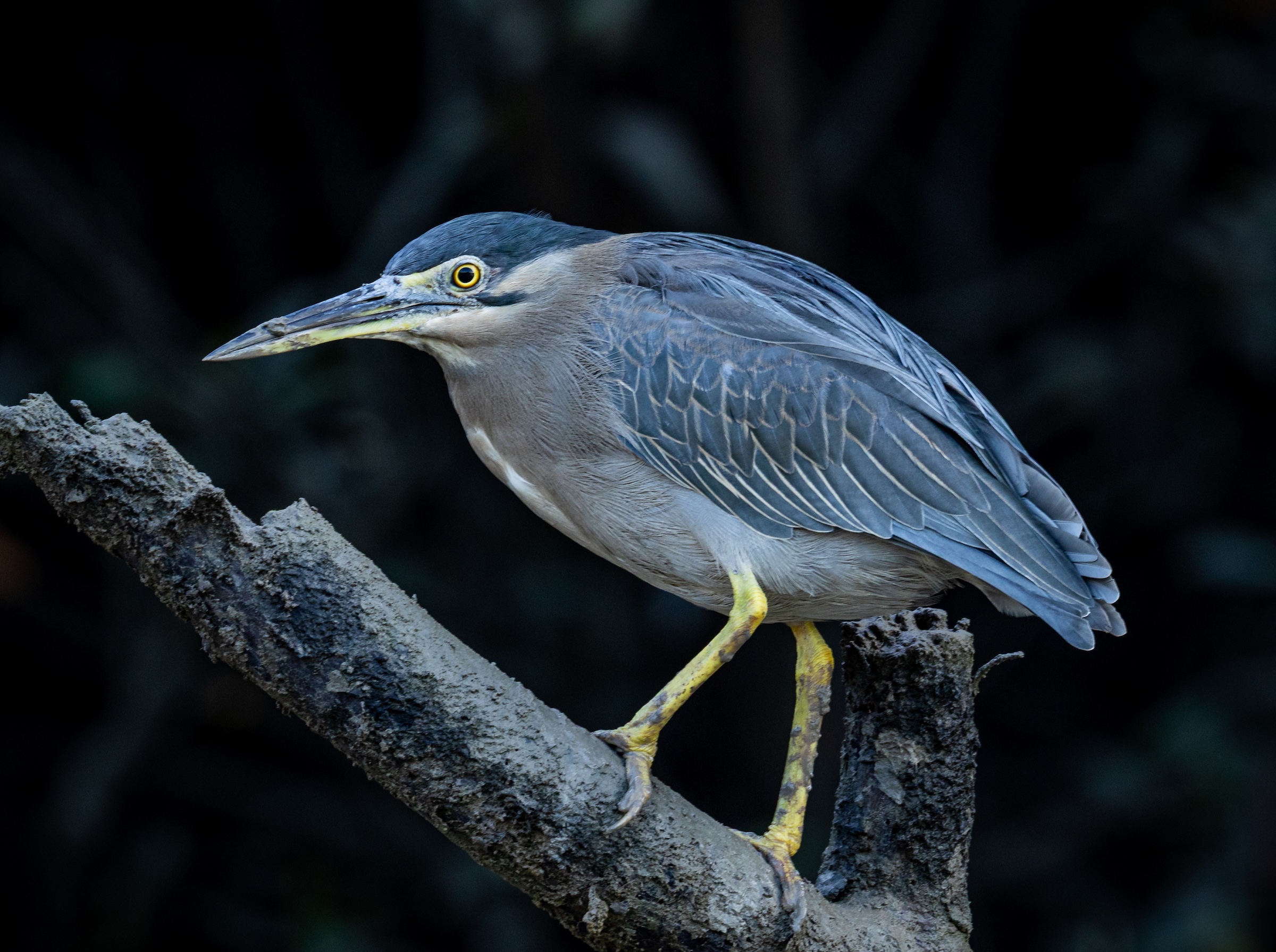
Why Wildlife Loves Mangroves
Where there is food, wildlife follows.
The extraordinary productivity of Kimberley mangroves attracts an equally impressive range of predators.
Saltwater crocodiles patrol creek entrances and mudflats.
Dolphins hunt baitfish trapped by changing tides.
White-bellied Sea Eagles scan the water from high perches.
Brahminy Kites circle above exposed mudbanks.
Kingfishers wait patiently before launching precision attacks on unsuspecting fish.
For Discovery One’s guides and captains, these waterways are like reading a living book.
The behaviour of birds.
The movement of baitfish.
The direction of tidal flow.
Even subtle changes in water colour can reveal where wildlife activity is occurring.
After more than 26 years operating Kimberley cruises, our crews have developed an intimate understanding of these patterns and rhythms.
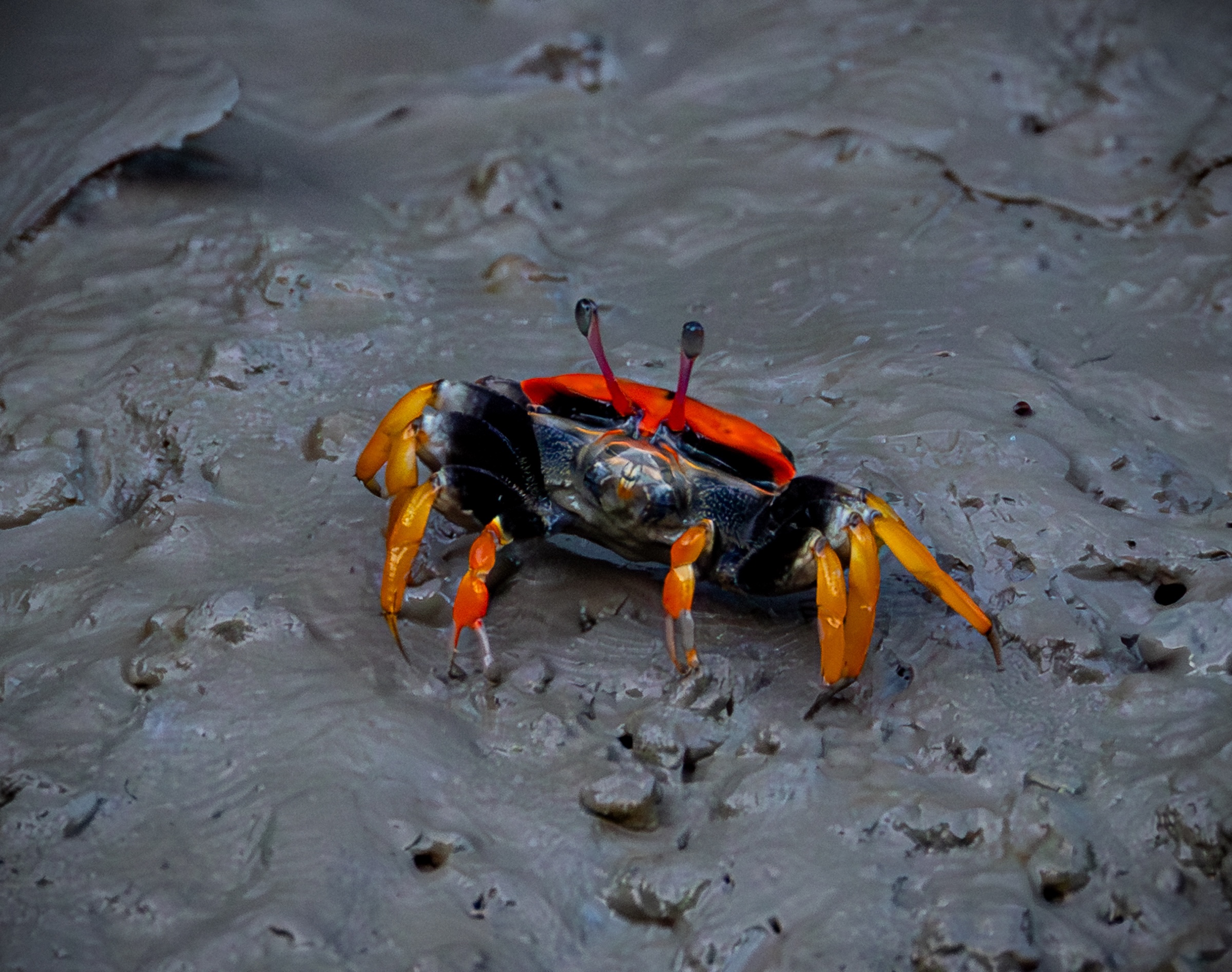
The Science of Tides and Life
The Kimberley experiences some of the largest tidal movements on Earth, with tidal ranges exceeding 11 metres in some locations.
These tides do far more than simply move water.
They transport nutrients.
They oxygenate waterways.
They connect rivers to reefs.
They shape the entire Kimberley ecosystem.
Twice every day, incoming tides flood mangrove forests, carrying nutrients deep into the ecosystem. As the tide retreats, organic material, microscopic organisms and nutrients are carried back into surrounding rivers and coastal waters.
This constant exchange fuels the food chain from the smallest plankton to the largest predators.
It is one of nature’s most efficient recycling systems.
Every crocodile, dolphin, fish and seabird ultimately benefits from the health of these tidal forests.
Exploring Places Others Cannot Reach
Understanding tides is also what allows Discovery One to access places many larger vessels cannot.
As a small ship Kimberley cruise operator, Discovery One was purpose-built for exploration.
Our shallow draft allows us to venture into remote river systems, narrow channels and tidal waterways throughout the Kimberley coast.
When tides and conditions align, we can take the mothership itself surprisingly far into river systems and sheltered waterways.
Our custom-built expedition tenders extend this capability even further.
Powered by 150 horsepower Yamaha outboards and designed with shallow-draft fibreglass hulls, they allow guests to explore mangrove creeks, hidden channels and wildlife habitats that remain inaccessible to larger Kimberley cruise ships.
Often, these quiet explorations become the highlight of a Kimberley wildlife cruise.
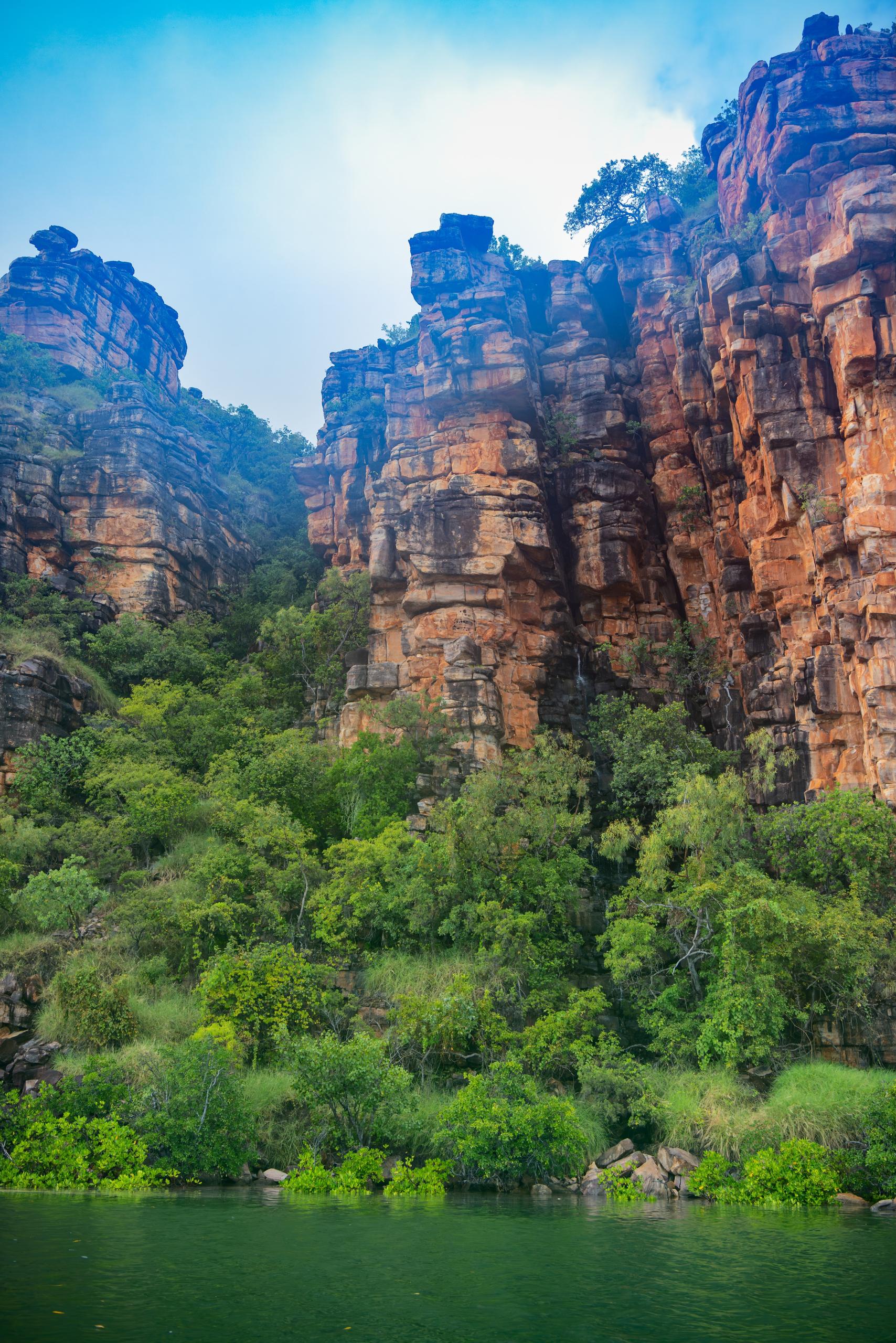
Ancient Knowledge, Living Country
Long before modern charts, GPS systems or marine park management plans existed, Traditional Owners understood these tidal landscapes intimately.
The rhythms of the tides, the movements of fish and the seasonal cycles of Country have been observed, understood and passed down for thousands of years.
Today, Kimberley mangroves remain part of a living cultural landscape.
Discovery One operates with respect for Traditional Owners, Kimberley Marine Parks and the management frameworks that help protect these extraordinary environments.
We understand that access to Country is a privilege, not a right.
Some places welcome visitors.
Others remain culturally significant and are respected accordingly.
Responsible tourism begins with understanding that we are guests within a much older story.
One of the World’s Most Important Carbon Stores
Mangroves are now attracting attention from scientists for another remarkable reason.
They are among the most efficient carbon storage systems on Earth.
Often referred to as “blue carbon ecosystems”, mangrove forests can store significant amounts of carbon within their roots and surrounding sediments for hundreds, sometimes thousands, of years.
Research suggests mangroves can store carbon more effectively than many terrestrial forests.
At a time when climate resilience and conservation are increasingly important, the Kimberley’s largely intact mangrove systems are recognised as globally significant environmental assets.
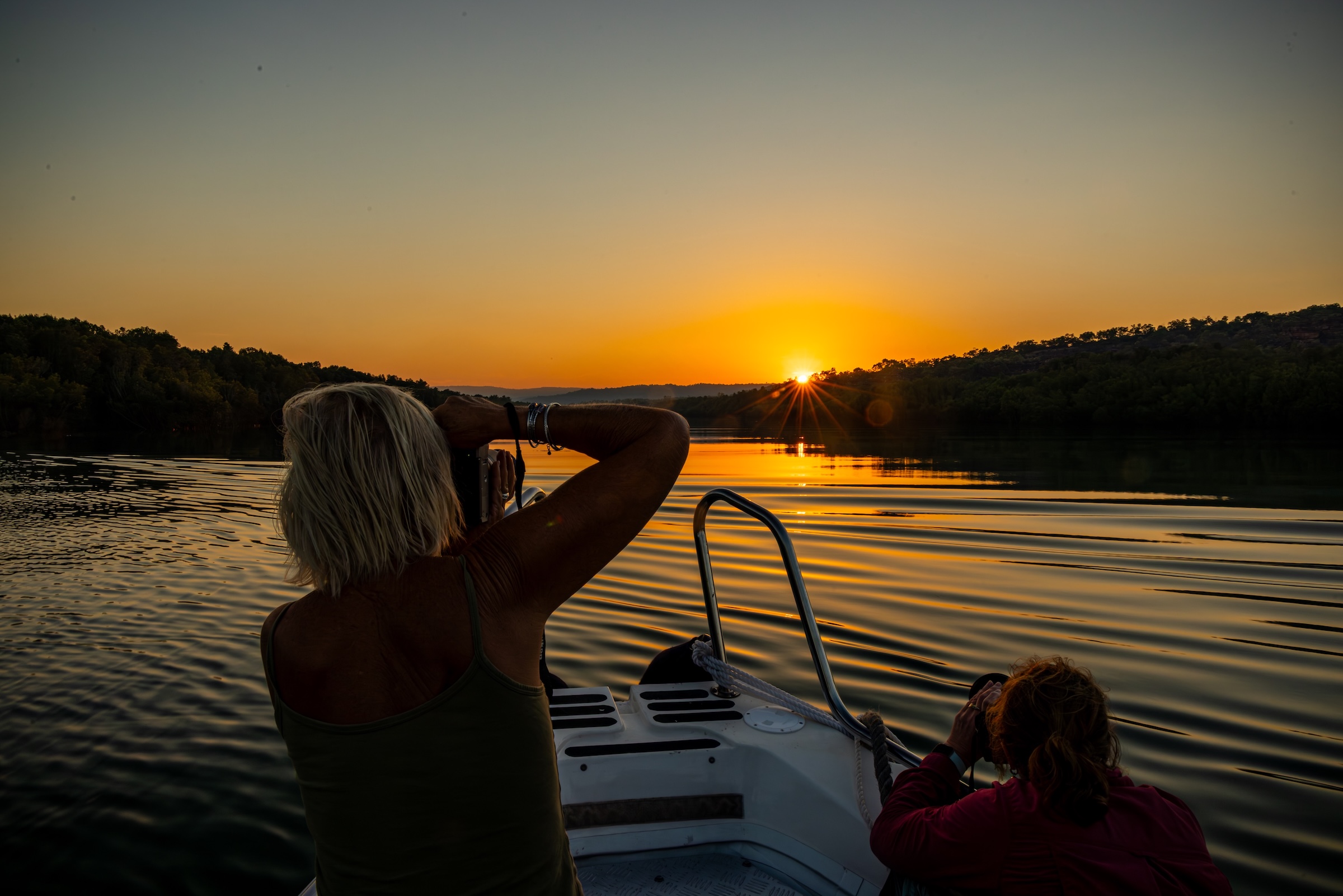
The Kimberley’s Greatest Hidden Attraction
Visitors often arrive expecting to talk about Montgomery Reef tours, Horizontal Falls and dramatic Kimberley scenery.
Many leave talking about something entirely different.
The stillness of a mangrove creek.
The flash of blue from a kingfisher.
The quiet appearance of a crocodile.
The feeling of drifting silently with the tide.
These moments are difficult to describe and impossible to manufacture.
They happen because the Kimberley remains one of the last great intact coastal wilderness systems on Earth.
At Discovery One, we believe understanding the Kimberley’s mangroves helps visitors understand the Kimberley itself.
Because hidden beneath the roots, tides and mudbanks lies the engine that powers much of the wildlife, biodiversity and natural wonder of this extraordinary coastline.
And after more than 26 years exploring these waterways, they continue to surprise us every season.