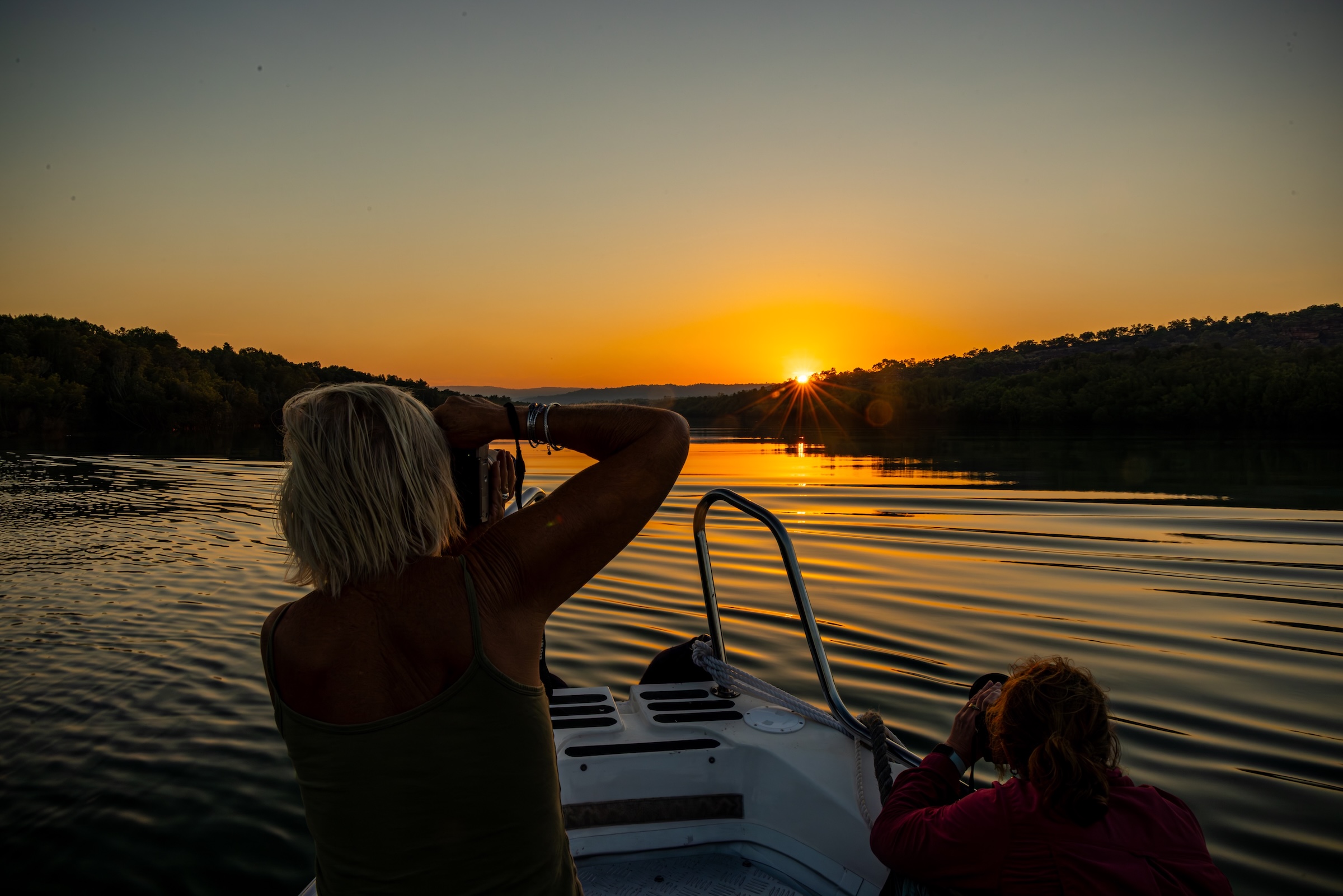

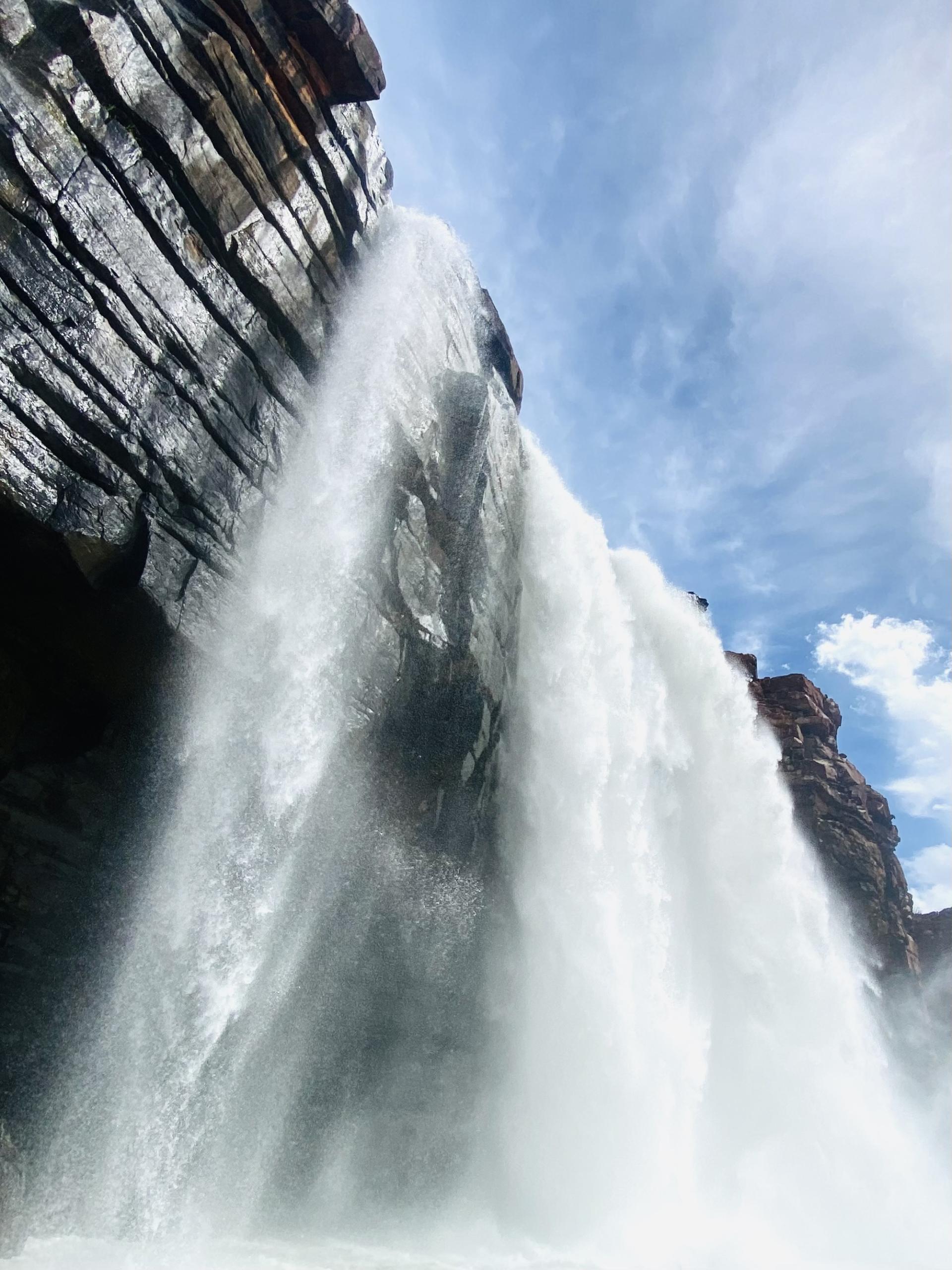
March is one of our favourite times to cruise the Kimberley if you want to hear the waterfalls roar. On Discovery One’s first Kimberley cruise of the season, from 22 March to 5 April 2027, we’ll travel from Darwin to Broome as the wet season eases. The rivers are still carrying summer rain, the escarpments are green and a passing storm can change the light across an entire bay.

There’s a particular pleasure in standing on deck and watching rain fall somewhere else. You can see the grey curtain move across the horizon while the water beside the boat is still bright. Then the sun catches a wet cliff and the whole face of it lights up. Listen for the low roll of thunder in the distance and, closer, the sound of water coming down off the rock.
Photo credit: Al McOnie
What makes the waterfalls so powerful in March?
A waterfall can tell you what’s been happening well inland. Rain gathers in the catchments and makes its way down creeks and rivers to the coast. By late March, there’s often enough water for the big falls to be running strongly and for smaller, seasonal cascades to appear in places you’d sail past later in the dry.
At King George Falls, on Balanggarra Country, two falls drop from the sandstone escarpment into the gorge. From a tender, where conditions allow, the sound builds as you round the bend. Look away from the main falls for a moment and you may see fine threads of water running down the rock around them. There’s water at every scale, from the mist catching the light to the twin falls you can hear over the engine.

What is Lake Argyle like at the end of the wet?
Our first night of the season is in the East Kimberley. We travel via Kununurra to Lake Argyle, where a lakeside stay is included. After the rains, the slopes around the lake can be a startling green against the red ridges. It’s worth finding a spot to sit and watch the shadows move across the water. The lake is so broad that the weather on the other side can look like it belongs to another day.
Around Kununurra, the Miriwoong seasonal calendar describes Nyinggiyi-mageny, the wet season, as a period whose timing varies from year to year. Look down as well as out. The small things at the edge of the track are easy to miss when there’s a lake that size in front of you.
What wildlife can you see on a March Kimberley cruise?
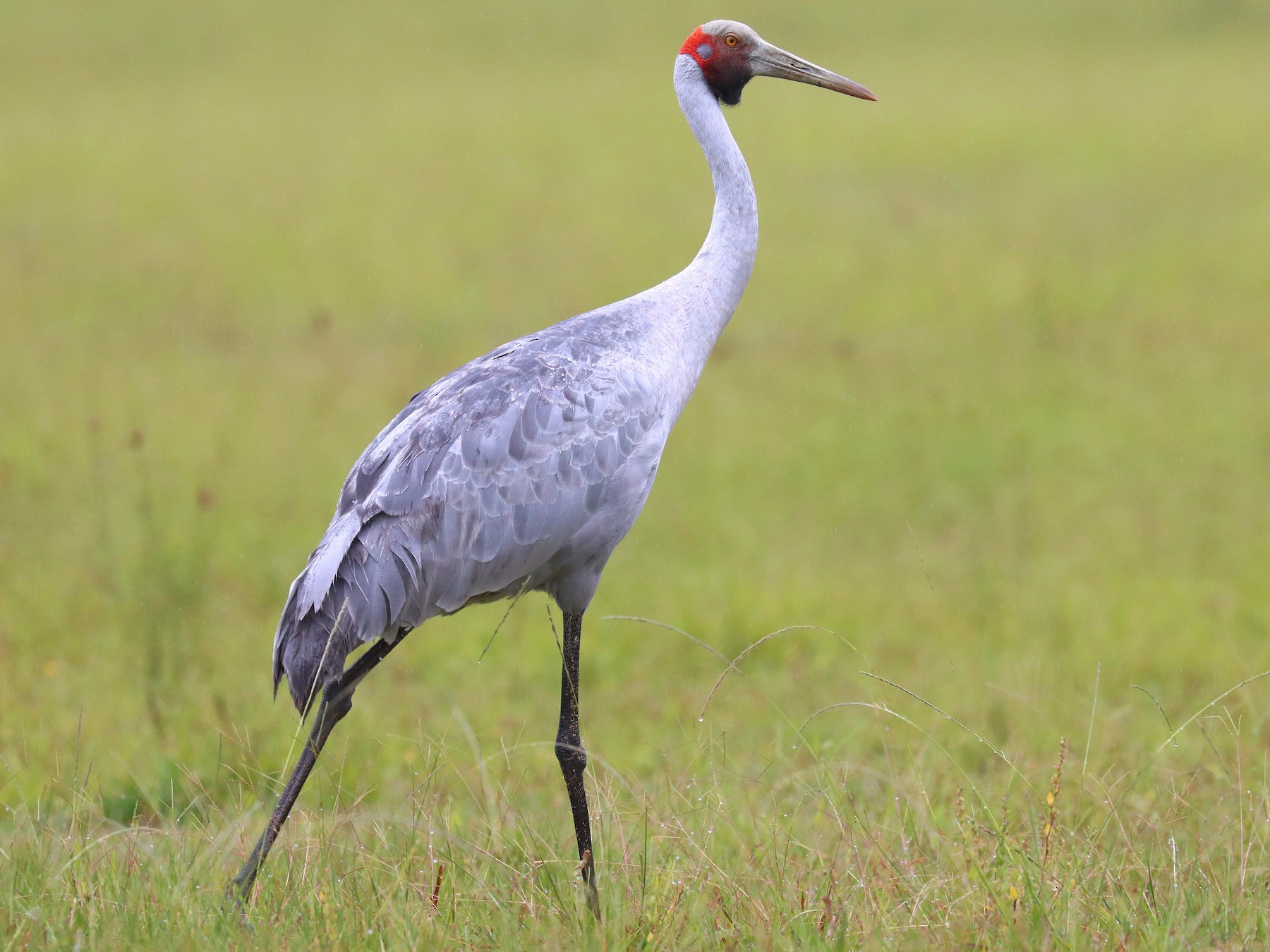
The end of the wet is a particularly interesting time to watch birds. In the East Kimberley, brolgas can be nesting into March, and magpie geese breed during the wet. On the coast, some migratory shorebirds are still on Western Australia’s far north coast before heading back to their northern breeding grounds. A falling tide can bring them out to feed along the mudflats.
If you’re watching for rock-wallabies, try scanning the ledges where sun meets shade. One movement gives away an animal you could have looked straight at a moment earlier. Keep an eye on the water, too. At Yowjab (Montgomery Reef), a turtle can come up for a breath while everyone else is watching the cascades.
What turns up depends on the day. That’s always a good reason to keep the binoculars handy.
How do the tides and weather shape the first departure?
March brings two kinds of moving water. Rain feeds the falls from inland. Out at Yowjab, the sea falling away on the ebb sends water pouring off the reef. The effect from a tender can be extraordinary. A low, flat horizon begins to take shape, then the reef edges spill white water into the channels.
Yowjab is a place of cultural significance to the Dambeemangarddee people. In their account of this coast, they describe how their Old People travelled by raft, following the tides between the mainland, bays and islands. Read their account before you go and you’ll look at those channels differently.
After 26 years of cruising this coast, we’ve learnt how much a day can change by moving an outing a few hours. A creek may need more water for the tender to enter, or the captain may choose a sheltered inlet while a squall moves through. March is ahead of the busiest dry-season months.
Read how the Kimberley tides shape your cruise
Who is this small ship Kimberley expedition for?
If you enjoy seeing where a creek goes, asking the crew what they spotted and staying on deck for one more change in the light, you’ll be in good company. With a maximum of 21 guests, there’s time to talk through what we’ve seen. Photographer Glenn Smith leads hands-on workshops, and March gives him plenty to work with. In the same afternoon you could try freezing the spray of a waterfall, then photograph a distant rain squall as the light drops.
A fortnight on a boat this size gives you time to build up a sense of the coast. A bird you couldn’t name on day two may be one you recognise by the end. You begin to notice where the tide has left its mark on the rocks.
Discovery One began as the Sydney Harbour ferry Matilda II. Today we’re a family-owned, ECO-certified operator, and our crew’s job is to get you close enough to notice the details while giving wildlife room and following Traditional Owners’ guidance on access. Guests have rated us 4.9 out of 5 on Tripadvisor from more than 300 reviews. We received its Travellers’ Choice award in 2025 and 2026.
When does the first Discovery One Kimberley cruise depart in 2027?
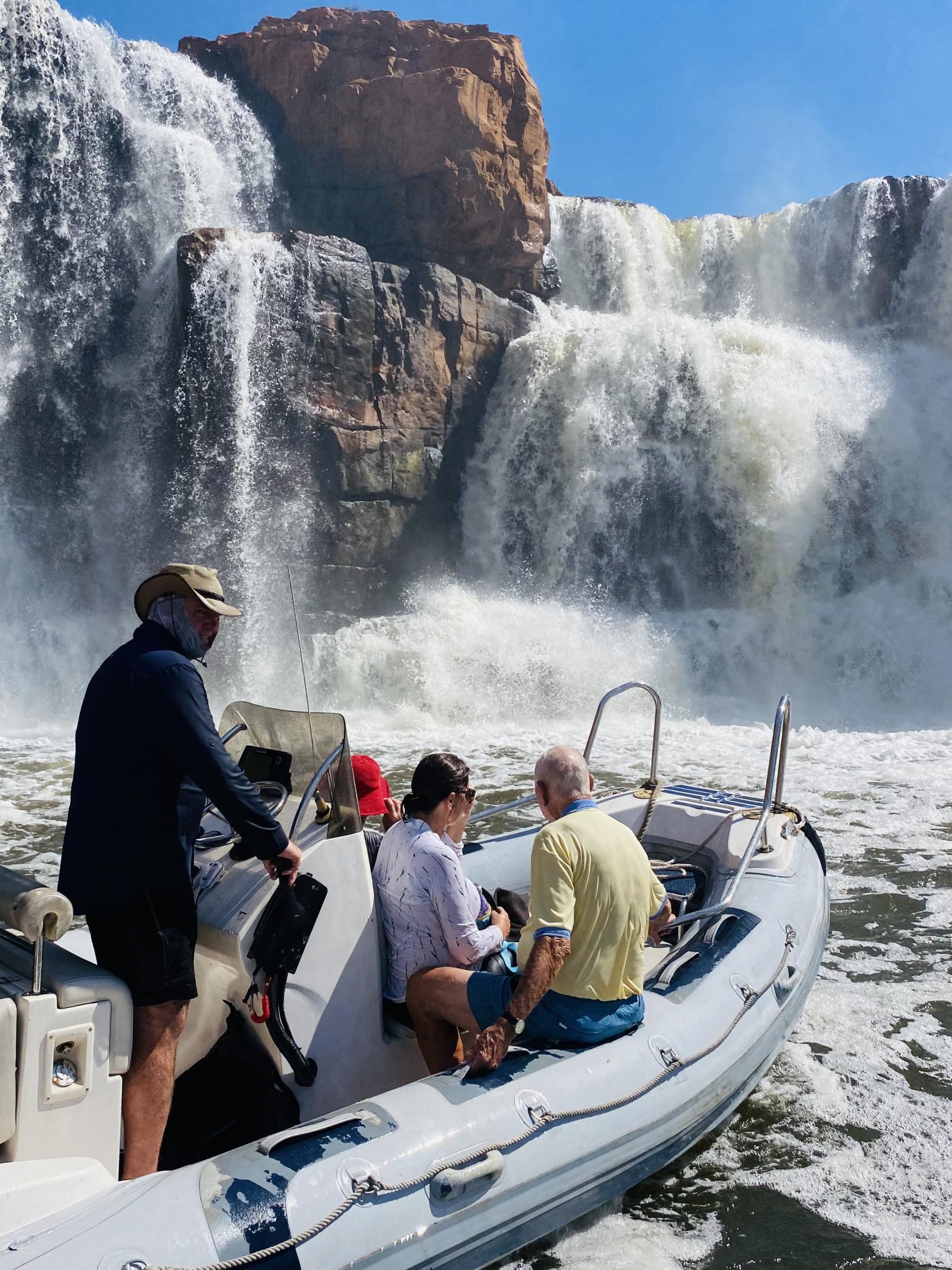
Chasing Waterfalls with Glenn Smith runs from 22 March to 5 April 2027. The 14-night Darwin-to-Broome package includes travel via Kununurra with one night at Lake Argyle and 13 nights aboard Discovery One, with guided excursions, meals and photography workshops. The package also includes the Darwin to Kununurra flight or a flight credit, and a transfer to your accommodation in Broome.
Come early for the waterfalls. When the tender rounds that first bend, give yourself a moment to listen before you reach for the camera.
Explore Chasing Waterfalls with Glenn Smith or download the Discovery One brochure.